


Bambusbesen
Bambusbesen
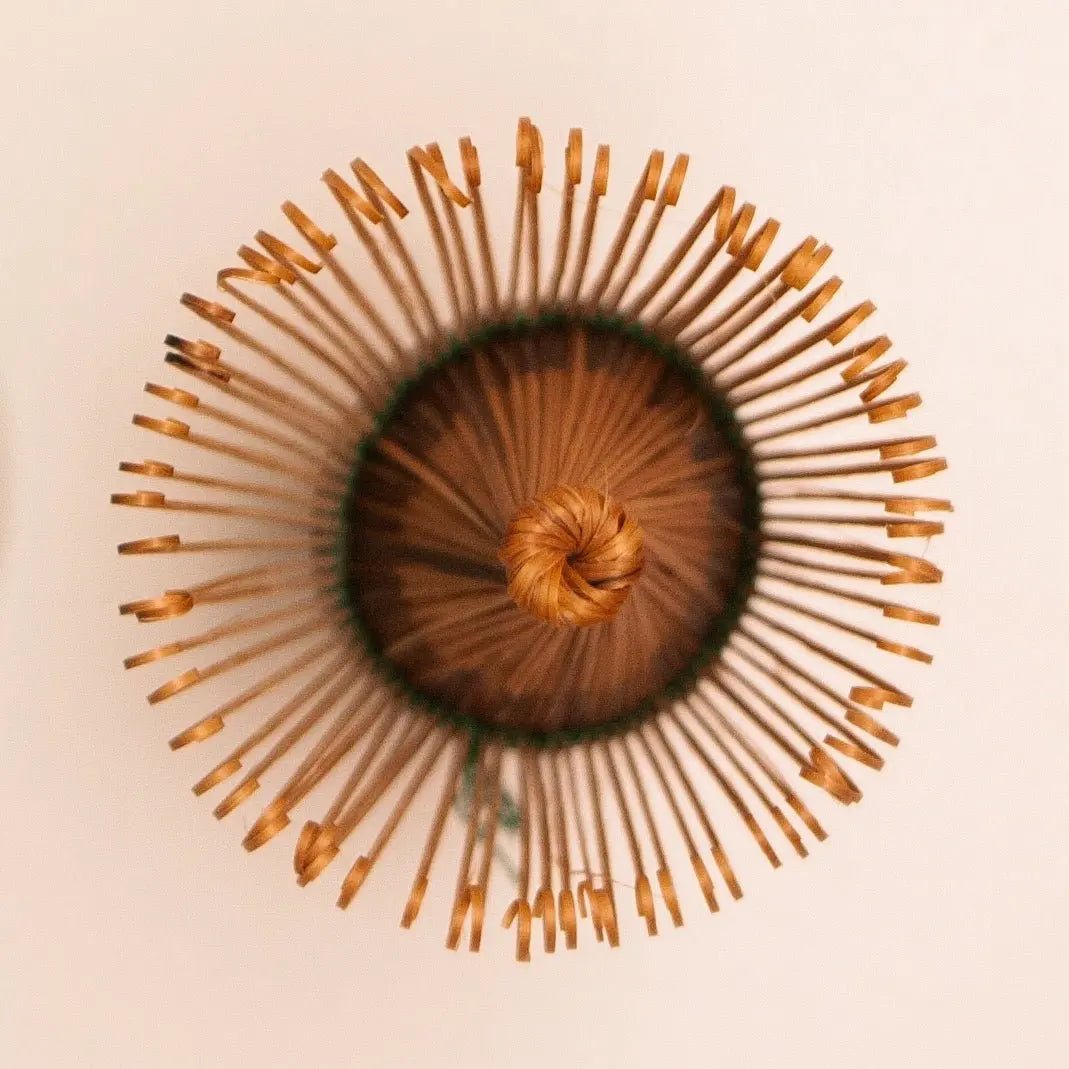
Erleben Sie die authentische japanische Teezeremonie mit unserem Bamboo Whisk (Chasen). Handgefertigt aus natürlichem Bambus, ist dieser Besen unverzichtbar für die perfekt cremige und schaumige Textur Ihres Matcha-Tees. Ideal für Einsteiger und Matcha-Kenner – der Chasen garantiert ein unvergleichliches Teeerlebnis.
- 100% sichere Zahlung
- Expressversand


Eigenschaften
Eigenschaften
Vorteile
Vorteile



Unsere Matcha-Qualitäten
Unser Supreme Ceremonial-Grade Matcha wird aus Blättern der ersten Ernte hergestellt und bietet höchste Qualität. Die Ceremonial-Grade Mischung kombiniert Blätter der ersten und zweiten Ernte, während die Bio-Mischung je nach saisonaler Qualität Blätter aus verschiedenen Ernten enthalten kann.

Die Herkunft unseres Matcha.
Bei Nawo Matcha beziehen wir unseren Matcha aus der Präfektur Kagoshima in Japan, die für ihren fruchtbaren Boden und ihr ideales Klima bekannt ist. Die warmen, feuchten Bedingungen dieser Region erzeugen Tee mit einem sanften, vollmundigen Geschmack, wodurch unser Matcha wirklich außergewöhnlich wird.
Matcha-Zubereitung.
 USUCHA | SCHRITT 1
Sieben Sie einen Teelöffel Matcha-Pulver (etwa 2 Gramm) in eine Matcha-Schale (Chawan), um Klumpen zu vermeiden.
 USUCHA | SCHRITT 2
Erhitzen Sie 70-80 ml Wasser auf ca. 75-80°C (es sollte nicht kochen). Gießen Sie etwas von dem heißen Wasser in die Schale mit dem Matcha.


A bamboo matcha whisk is the tool that turns a simple green powder into a ritual with fine foam, a silky texture and no lumps. At Nawo Matcha we care about every detail of the whisking gesture, because that's where the difference between a decent cup and a memorable one begins.
What makes a bamboo matcha whisk unique
A good bamboo matcha whisk doesn't just mix; it aerates the tea, softens bitterness and brings out its umami notes. Its fine prongs catch the water and powder, creating micro-bubbles that form a stable, even layer of foam.
Compared with a metal whisk or a spoon, a bamboo whisk respects the structure of the tea and avoids metallic flavours. The result is creamier matcha with a rounded texture and a more even green, with no streaks or lumps on the surface.
How to choose a bamboo matcha whisk
Not all bamboo matcha whisks behave the same. For daily use at home, a medium-density chasen works very well, with prongs that froth quickly without requiring too much technique.
When you prepare several cups in a row or work in hospitality, the stability and durability of the bamboo whisk become a priority. A clean finish, with no splinters or uneven tips, extends its life and keeps the foam consistent cup after cup.
Number and shape of prongs
More prongs make a fine, even foam, ideal for ceremonial matcha. Fewer prongs give a more direct, faster whisk, useful for matcha lattes and high-volume service. Either way, the curve at the end of the prongs should be even so they touch the bottom of the bowl at the same time and leave no unmixed areas.
Bamboo texture and feel in the hand
A bamboo matcha whisk should feel light and balanced. Bamboo without heavy varnish improves grip, even with slightly wet hands. A smooth handle and a more porous prong area give you natural control of the movement without slipping.
The preparation ritual with a bamboo matcha whisk
The way you whisk directly affects the final flavour. Always start by sifting the matcha and pouring water at around 70–80 ºC to avoid burnt notes. Then the bamboo whisk comes in, with quick W or M-shaped movements, without pressing too hard on the bottom of the bowl.
In about 15–20 seconds you should see a fine foam, with no large bubbles and an even sheen. If the matcha is going into a latte, this step is still key: a well-whisked base blends better with milk and stays creamy even over ice.
Caring for your bamboo whisk
A well-cared-for bamboo matcha whisk can last many months of daily use. Before each preparation, soak the prongs in warm water for a few seconds; this makes them more flexible and reduces the risk of breakage.
After whisking, rinse with warm water only, without detergent or scourers. Shake off excess water and let it air-dry away from direct heat. Don't leave it in a bowl of water, as the bamboo can warp and splay over time.
Using a whisk holder
A dedicated holder helps the whisk regain its original shape after use. Placing the bamboo whisk on the holder while it dries keeps the prongs slightly closed, extends its life and keeps the tool looking good on your shelf or café counter.
Bamboo matcha whisks at home and in cafés
At home, a bamboo matcha whisk turns a quick break into a moment of mindfulness. The sound of bamboo against ceramic, the foam forming little by little and the aroma opening up set a different pace from an automatic coffee machine.
In cafés and hospitality, the bamboo whisk becomes part of the visual language of the bar. It conveys craftsmanship, raises the perceived value of each drink and connects with customers looking for more than caffeine: a small ritual in the middle of the day.
Accessories that complete the whisking ritual
The whisk works best with the right pieces alongside it. A good chawan offers the depth and width the prongs need to move freely so the foam forms evenly. The bamboo scoop (chashaku) measures the exact amount so you can repeat results day after day.
In our matcha accessories collection you'll find chasen, chashaku, chawan and holders designed to work together. If you'd rather start with everything sorted from day one, our matcha sets include the bamboo whisk and the essential accessories in one set.
Matcha for your bamboo whisk
A bamboo whisk reveals very different notes depending on the grade of matcha you use. For slower rituals and cups without milk, our matcha tea collection offers sweeter, more umami profiles. If you work in hospitality or make several lattes a day, our barista matcha range is designed to handle volume without giving up vibrant green colour and a velvety texture.
When to choose a bamboo whisk or an alternative
A bamboo matcha whisk is the best choice when you want a traditional texture, fine foam and a complete sensory experience. It's also ideal when you want to show the preparation at the bar or on social media, as the whisking gesture is instantly recognisable.
If speed is the priority at certain moments, for example when making several iced lattes in a row, an electric frother can complement your bamboo whisk. Keeping both in your routine lets you switch between ritual and efficiency without compromising the quality of each cup.
The bamboo matcha whisk in the Nawo philosophy
At Nawo Matcha we see the bamboo whisk as more than an accessory. It's an invitation to slow down for a few minutes and bring intention back to something as everyday as making a hot drink.
Each whisk is part of an ecosystem designed to accompany you from your first matcha to your own daily ritual. From our carefully selected accessories to the matcha grades that bring out the best in it, everything aims for the same result: a vibrant green cup, a clearer mind and a pause you actually remember.
Bamboo matcha whisk FAQs
What's the difference between a bamboo matcha whisk and a metal whisk?
A bamboo whisk has dozens of fine prongs that aerate the matcha without damaging the powder or adding metallic flavours. This creates a finer, more stable foam with a silky texture and a cleaner taste. A metal whisk can mix, but it leaves more lumps and large bubbles.
How often should I replace a bamboo matcha whisk?
It depends on use and care. With daily home use and good maintenance, a bamboo whisk can stay in good condition for several months. When you see many broken or splayed prongs, or a noticeable loss of foam, it's time to replace it.
Can I wash my bamboo matcha whisk with soap?
It's not recommended. Bamboo absorbs odours and detergent residue that then end up in your cup. Ideally, rinse it with warm water only right after use, shake off excess water and let it air-dry upright or on a dedicated holder.
Can I use the same bamboo whisk for ceremonial matcha and lattes?
Yes. The same bamboo whisk works for ceremonial matcha and lattes. The difference is the technique: for ceremonial matcha you want a finer, more even foam, while for a latte a well-blended base that you'll then mix with milk is enough. The matcha grade you choose will shape the flavour more than the whisk itself.
How can I stop the prongs of my bamboo whisk from breaking?
Before each use, soak the whisk in warm water for a few seconds so the bamboo becomes more flexible. Whisk without pressing hard on the bottom of the bowl and avoid sharp twisting. Don't leave it soaking for long or store it damp in closed drawers.
Which accessories do I need besides a bamboo matcha whisk?
The basic trio is a bamboo whisk, a chashaku (bamboo scoop) and a matcha bowl (chawan). With them you can measure, whisk and serve consistently. In our matcha shop you'll find these pieces individually and in complete sets so you can start with everything coordinated.
Can I use a bamboo whisk for other powdered drinks?
You can, but it's not ideal. A bamboo whisk is designed for matcha's fine texture and small amounts of powder. Using it often with cocoa or denser mixes can shorten its life and make cleaning harder. If you do it occasionally, rinse it well with warm water only.
How should I store my bamboo whisk when I'm not using it?
Let it air-dry completely after rinsing and store it in a dry place away from direct heat or strong light. If you have a whisk holder, keep it there to maintain the shape of the prongs. Avoid storing it in airtight containers while it's still damp.
Which type of matcha works best with a bamboo whisk?
To get the most from the foam and the whisk, ceremonial grades usually offer a creamier texture and stronger umami, ideal for drinking with water only. For lattes and recipes, barista grades balance flavour and cost while keeping a vibrant green and good solubility.
Do I need experience to use a bamboo matcha whisk?
No. The learning curve is short. With water at the right temperature, sifted matcha and quick W-shaped movements, you'll get good foam within a few tries. From there, small adjustments to speed and water let you tailor the texture to your taste.
Every bamboo whisk opens a short but intense space in the middle of your day. A few seconds of attention to the whisking gesture are enough to turn a drink into a daily ritual that's repeatable and your own.